Pholeo

$ reconciliation --close-against-what-happened

“All 26 hotels sent me a PDF of our invoice. Not helpful.”

A meetings manager, on an expertise interview

Close the event against what actually happened. The banquet check goes on the function it paid for, the dashboard shows estimate, actual and variance, and finance gets the workbook in the shape it needs.

spec sync · transcript

  1. ›I manually track it now. Every time an invoice comes in, I keep it in a spreadsheet so I know where we stand.
  2. ›I’d email them: can you send this in Excel, to make it easier to code out?
  3. ›Our banquet checks we sign, but the final bill has to go through two layers above us.
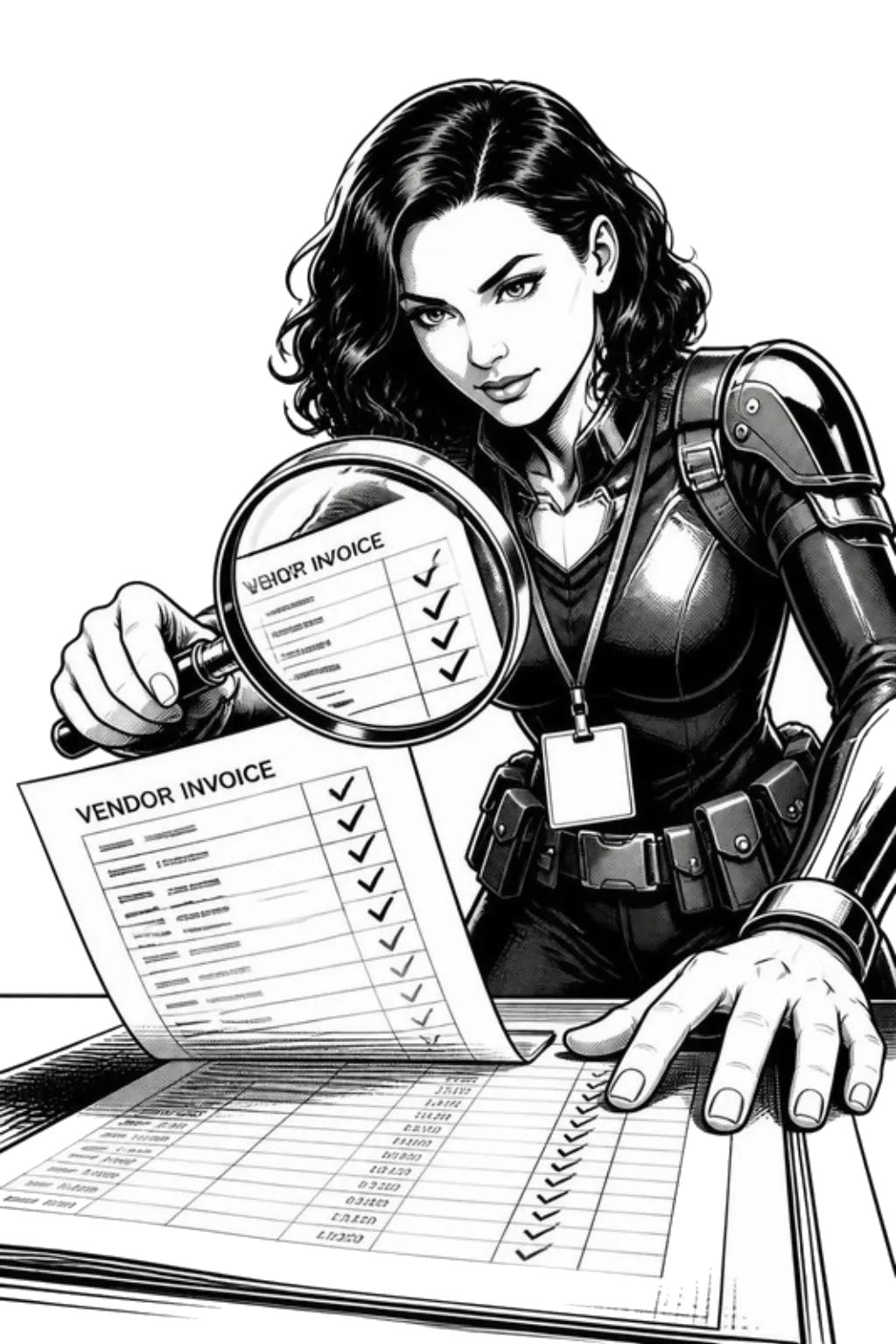
A planner holds a magnifying glass over a vendor invoice; through the lens its lines align with a budget ledger and checkmarks appear.
  1. 01/ Estimate vs final
  2. 02/ By area
  3. 03/ Reports
  4. 04/ Dashboard

Close the event by reading, not rebuilding

The actual goes on the line that planned it. The variance is already there.

  1. 01

    Actuals on the line

    The banquet check goes on the function it paid for.

    Capture actuals per line or per invoice. The dashboard shows estimate, actual and variance without a pivot table.

  2. 02

    Coded as you go

    GL codes on the cost center, not from memory afterwards.

    Cost centers carry your GL structure, so a line is coded the day it is estimated. Reconciliation reads the codes; it does not assign them.

  3. 03

    Export for finance

    Your whole event as a workbook.

    Data export produces a workbook of every tab you can see, plus attachments if you want them, in a shape accounting can take straight in.

  4. 04

    Carry it forward

    This year’s actuals become next year’s estimates.

    Duplicate the event, keep the structure, and start the next cycle from numbers that were real.

See it on your own spec

A Spec Sync builds your first board from one real BEO or function sheet.

“Instead of multiple versions of Excel sheets and PDFs, I had a single source of truth.”
Jack Voorhees

Jack Voorhees

Senior Director of Events, URMIA

Five stars on G2

Lauren Koleszar, CMP

Case study · ASIS GSX

“It’s faster. It’s more accurate. And I don’t have to chase the details anymore.”

ASIS International moved GSX’s specs, budget and reconciliation into Pholeo, and ran the show onsite without binders for the first time in fifteen years.

Lauren Koleszar, CMP

Meetings Manager, ASIS International

Read the story

FAQ

Questions planners ask about event reconciliation.

Straight answers. If yours is not here, ask it on the Spec Sync.

How does reconciliation work in Pholeo?

Each invoice or banquet check is entered as an actual against the lines it paid for. Estimate, actual and variance show per line, per function, per area and per cost center, and the export carries them to finance.

Can it read the hotel’s invoice?

Event Builder reads BEOs and banquet documents into a draft you review. The actuals are then accepted onto the matching lines rather than typed from a PDF.

What about GL coding?

Codes live on the cost center, with sub-codes if you use them, so every line is coded from the day it is estimated. The ASIS GSX case study describes the reconciliation workflow for a four-part GL structure.

Can I flag a disputed line?

Yes. Tag the line, leave the note and the attachment on it, and filter the event to what is still open.

How long does it take?

That depends on the event and the vendors. What changes is the shape of the work: reading a comparison instead of rebuilding one. One customer’s case study is the honest reference, not a promise.

What does finance receive?

A workbook with the tabs you choose, grouped by GL code, cost center or area, plus the attachments if you include them.

Bring the event out of your head.

Share one spec and we will build your first board with you.