

Pholeo

$ case-study --urmia --lean-team

“For 25 years I was stuck translating spreadsheets and mail merges into something venues could understand. Pholeo changed that.”

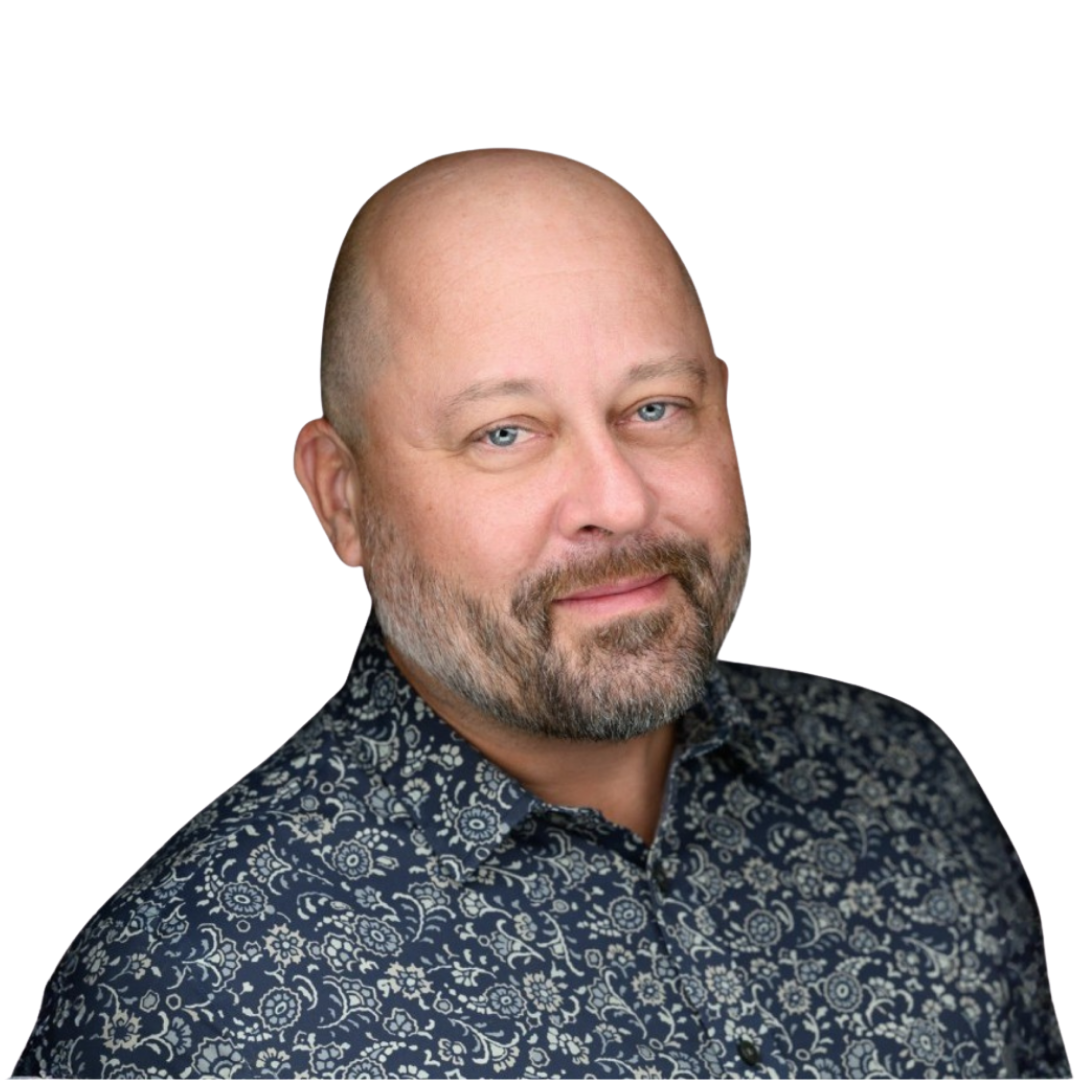
Jack Voorhees · Senior Director of Events, URMIA

URMIA produces a complex annual conference with one lead planner and an eight-person staff: around 850 people in the room, 300 online, up to eight concurrent tracks and a lot of F&B. Jack moved specs, orders and budget into one record, and the venue now works from the same one.

The event

URMIA

URMIA Annual Conference

  • One lead planner and an eight-person staff serving thousands of members
  • About 850 in-person and 300 virtual attendees
  • Hybrid sessions with up to eight concurrent tracks
  • 50%+less timeon meeting spec planning
  • 0revisionson the BEOs sent to the venue
  • 1lead plannerfor 850 people in the room and 300 online
  • 8concurrent tracksof hybrid sessions, plus receptions and special events

Figures as Jack reported them for URMIA’s annual conference. Every event is different, and so will yours be.

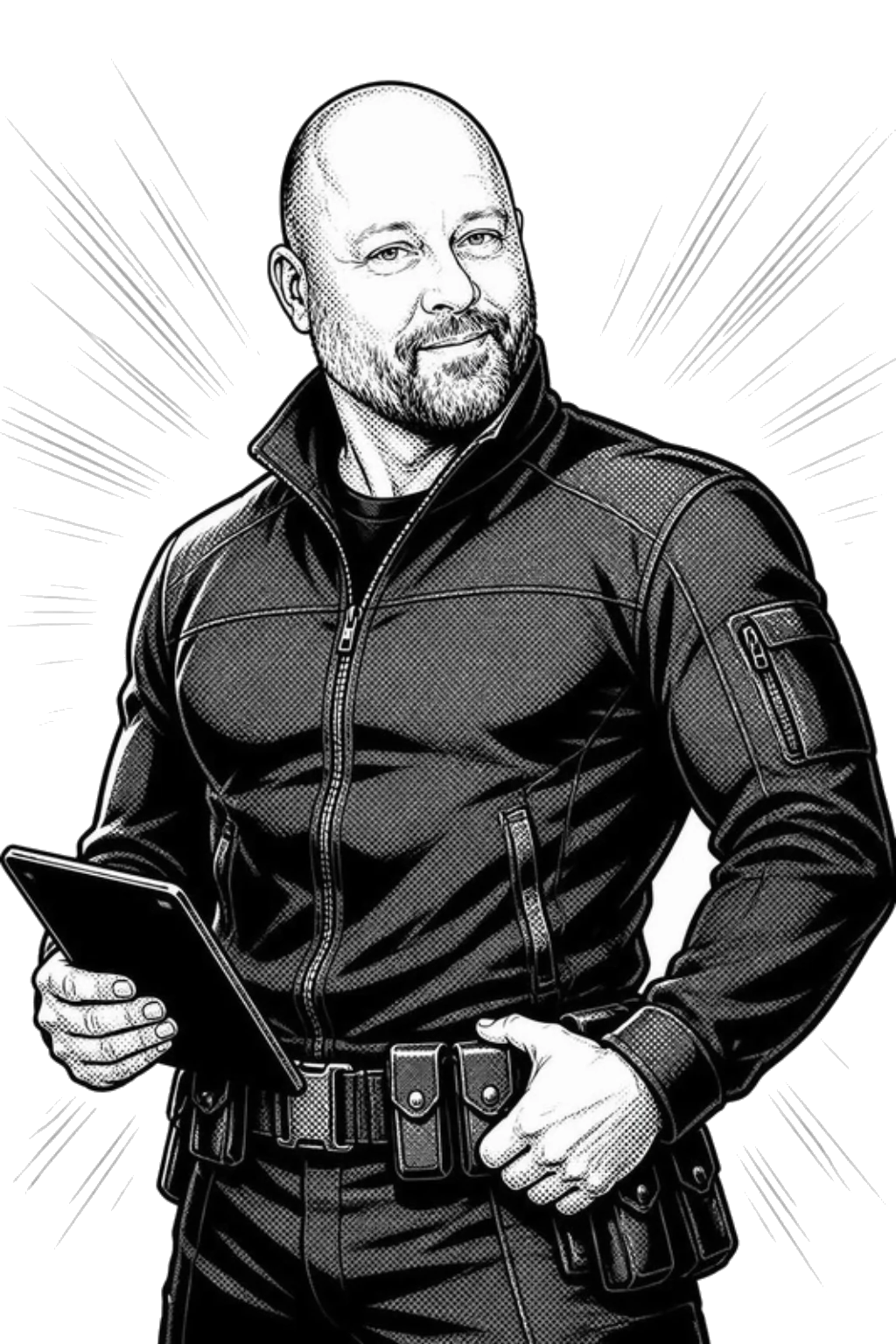
Jack Voorheesthe hero

Who ran it

Jack Voorhees

Senior Director of Events, URMIA

Jack is the one lead planner for a hybrid conference with eight concurrent tracks, and for twenty-five years built the venue’s paperwork by hand from spreadsheets and mail merges.

  • One lead planner and an eight-person staff serving thousands of members
  • About 850 in-person and 300 virtual attendees
  • Hybrid sessions with up to eight concurrent tracks
  • Several receptions and special events, high F&B spend
  • Higher-education funding uncertainty makes the planning cycle unpredictable

Before

The way the conference used to get built.

Spreadsheets for specs. Word documents for orders. Email for changes. Every update meant touching the same fact in several places, and if one file went out early the venue worked from the wrong version. Fixing that took hours. Formatting was its own drain: time spent making documents readable for the venue instead of planning the event. The result was friction, follow-up questions, rework and risk.

Other association planners, on Spec Sync calls

  • “We’re using two different systems, so my BEOs come back not looking like my spreadsheet.”
  • “Right before show, before guarantees, it’s kind of like, okay, does my BEO match your BEO?”
  • “It’s just me. We eliminated six positions last February.”
  • “All the different vendors and the logistics of it all, and not a big team. There’s a lot going on.”

What the fix had to do

  • Specs and budgets together
  • Service charges and taxes calculated automatically
  • Event orders the venue can use immediately
  • Instant updates when something changes
  • History kept year over year for budget comparisons
  • All of it without adding headcount

How Pholeo fit

The event moved onto one record. Everything else followed.

  1. 01

    One working file per event

    Specs built in the platform, BEO-style prints shared with the venue.

    Pholeo replaced the spreadsheet-and-mail-merge system with a single working file for each event. Jack enters details as they become available and shares BEO-style prints with the vendor teams for F&B orders and room sets.

  2. 02

    Enter it once, revise it once

    A change updates the production schedule, the function sheets and the budget together.

    Instead of correcting several spreadsheets, Jack revises the record and the outputs follow. Nothing is copied between formats, so nothing is transposed wrong.

  3. 03

    Budget clarity in real time

    Service charges and tax roll up automatically, so a menu can be tested against the target on the spot.

    He also compares spend across the same event year to year in one consistent format, instead of remembering last year’s margin notes.

  4. 04

    The pro tip: a seat for the venue

    Jack shares a second URMIA-managed licence with the venue’s event manager.

    Conference services and the F&B team follow progress directly. Fewer errors in room sets and F&B, because the people producing the final paperwork work from clearly formatted specs that feel familiar.

What changed

The results, in the order they showed up.

01/

BEOs with zero revisions

Venue communication tightened. The orders went over in a format the hotel could use as they were.

02/

Spec planning time down by more than half

Details go in once, as they become available, and stay put until the orders are final.

03/

No more transposing

Jack no longer spends time moving information from one format to another, or checking the copy against the original.

04/

A small team’s capacity, protected

Most associations plan events with three people or fewer while complexity keeps rising. Removing duplicate work is what keeps a lean team’s hours for the event itself.

Five stars on G2

On G2, Jack describes building event orders in a format venues can actually use while keeping a working event space on his desktop, with service charges and taxes calculated as he goes.

Hear it on Event Logistics Lab

How Small Teams Power Major Association Conferences: Lessons from URMIA’s Annual Event Planning

Listen to the episode

Your event could be the next one here.

Share one real spec and we build your first board from it, with you.